Postpartum Bleeding (Lochia): What's Normal and How to Manage It
Quick answer: Postpartum bleeding, called lochia, is normal after both vaginal and C-section deliveries. It is heaviest and bright red for the first few days, then gradually becomes lighter and paler, and usually stops within about 4–6 weeks. Use high-absorbency maternity pads (not tampons or cups) and call your doctor if you soak a pad within an hour, pass large clots, or have fever or a foul smell.
Nobody talks much about the bleeding after childbirth, so many new mothers are surprised by how heavy it can be. Knowing what's normal, and what isn't, makes the first weeks much less stressful. Here's a simple guide.
What is lochia?
Lochia is the discharge your body releases as the uterus heals and sheds the lining that supported your pregnancy. It contains blood, mucus and tissue. It happens after both normal deliveries and C-sections, although some women notice less after a C-section.
The three stages of postpartum bleeding
| Stage | Typical timing | What it looks like |
|---|---|---|
| Lochia rubra | First 3–4 days | Bright or dark red, heavy, may include small clots |
| Lochia serosa | About day 4 to week 2 | Pinkish-brown, thinner and lighter |
| Lochia alba | Week 2 to around week 6 | Yellowish-white, light, gradually stops |
Every body is different, so these timings are only a guide. Bleeding can briefly increase when you stand up after resting, while breastfeeding, or if you're more active than usual.
How to manage postpartum bleeding
Use maternity pads, not regular pads or tampons
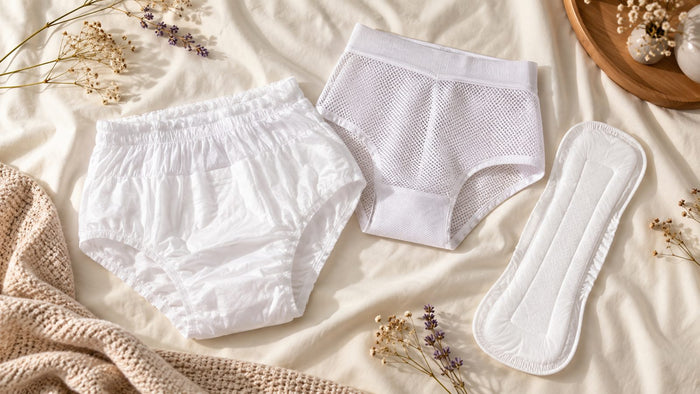
For the first days you need pads made for heavy flow. Maternity pads are longer, wider and more absorbent than regular sanitary pads. AfterBirth Maternity Pads, for example, absorb up to 800 ml with an extra-wide back for overnight protection. Doctors generally advise avoiding tampons and menstrual cups until your postpartum check-up, to lower the risk of infection.
Keep the pad in place
Disposable maternity pants hold maternity pads snugly without a fixator, and are soft on stitches. A pad fixator is another option.
Change often and keep clean
- Change your pad every few hours in the first days, or whenever it feels full.
- Wash your hands before and after changing.
- Rinse the area gently with clean, lukewarm water and pat dry from front to back.
- Wear loose, breathable cotton clothes.
Rest and stay hydrated
Doing too much too soon can make bleeding heavier. Rest when your baby sleeps, drink plenty of water, and accept help from family.
When to call your doctor
Contact your doctor or go to the hospital straight away if you notice:
- Bleeding that soaks through a maternity pad in an hour or less
- Clots larger than a small lemon
- Bright red bleeding that starts again after it had become lighter
- Fever, chills, or a foul-smelling discharge
- Severe tummy pain, dizziness, a racing heartbeat or feeling faint
How many maternity pads will I need?
Most mothers use the most pads in the first week. It helps to have two to three packs ready before delivery, then switch to lighter pads as the flow reduces. See our hospital bag checklist for everything else to pack.
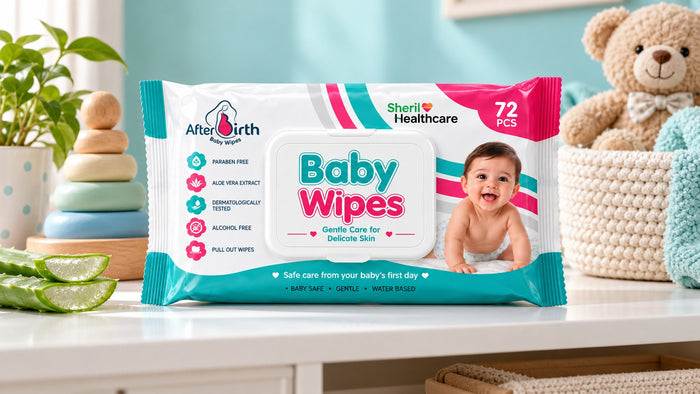
The AfterBirth range by Sheril Healthcare is designed for this exact stage: maternity pads, maternity pants and fixators for comfortable recovery.
This article is general information and is not a substitute for medical advice. Always follow your doctor's guidance for postpartum care.