Hospital Bag Checklist for Delivery in India: What Mum & Baby Need
Quick answer: Pack your hospital bag by week 35–36 of pregnancy. You'll need documents, comfortable clothes, maternity pads and disposable maternity pants for postpartum bleeding, toiletries and snacks for yourself, plus newborn clothes, NB-size diapers, gentle baby wipes and a swaddle for your baby.
The last few weeks of pregnancy fly by, and babies don't always wait for their due date. Packing your hospital bag early means one less thing to worry about when labour starts. Here's a practical checklist made for Indian hospitals and families, split into three parts: for mum, for baby and for your birth partner.
When should I pack my hospital bag?
Aim to have your bag ready by 35–36 weeks. Keep it near the door or in the car, and tell your partner or family where it is. If you're planning a C-section, pack a few days before your scheduled date.
Documents and essentials
- Hospital registration card and file, and all antenatal reports and scans
- ID proof (Aadhaar or similar) and health insurance card or papers
- Doctor's prescriptions and a list of any medicines you take
- Phone, charger and a long cable or power bank
- Some cash and a debit/UPI-enabled phone for bills and medicines
Hospital bag checklist for mum
Postpartum care
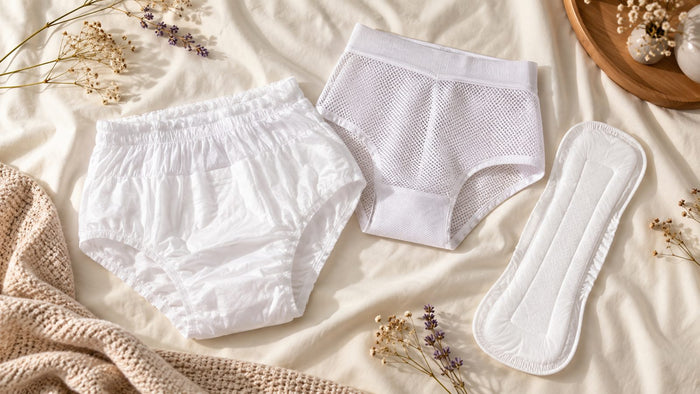
- Maternity pads: after birth you'll have heavy bleeding (lochia) for several days. Regular sanitary pads aren't made for this, so pack high-absorbency maternity pads. AfterBirth Maternity Pads absorb up to 800 ml.
- Disposable maternity pants: they hold maternity pads in place without a fixator and are gentle on stitches after a normal or C-section delivery. Pack enough for at least the first 3–4 days.
- Pad fixator (optional): a breathable mesh fixator is another way to keep pads from shifting.
- Nursing bras (2–3) and breast pads
Clothes and comfort
- 2–3 loose, front-opening nighties or kurtas for easy feeding
- A light shawl or stole, socks and comfortable slippers
- A going-home outfit that's loose around the tummy
- Hair ties, lip balm and a small pillow if you prefer your own
Toiletries
- Toothbrush, toothpaste, mild soap, face wash and a towel
- Comb, moisturiser and any personal care items you use daily
Food and drink
- A water bottle with a straw (easier when you're lying down)
- Light snacks your doctor allows: dry fruits, biscuits, or homemade laddoos if you're used to them
Hospital bag checklist for baby
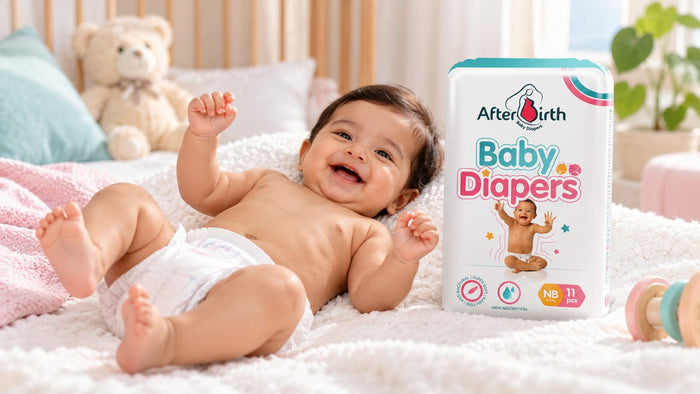
- Newborn (NB) diapers: newborns can need 8–12 changes a day, so pack a full pack. AfterBirth Baby Diapers come in NB size.
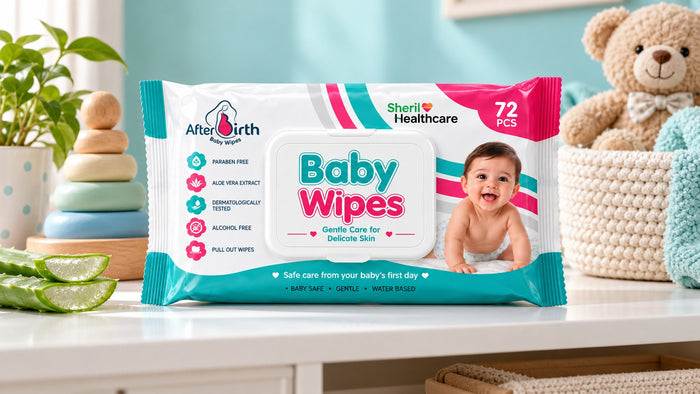
- Gentle baby wipes: choose water-based, alcohol-free and paraben-free wipes for delicate skin. AfterBirth Baby Wipes are 99% pure water with aloe vera.
- 4–5 soft cotton jhablas or bodysuits, mittens, socks and caps
- 2 swaddles or soft cotton wraps, and a warm blanket for going home
- A few soft cotton cloth nappies or burp cloths
- An infant car seat if you're driving home
For your birth partner
- A change of clothes and basic toiletries
- Snacks, a water bottle and a phone charger
- A list of phone numbers to share the good news
What not to pack
Leave jewellery and valuables at home, and don't overpack: hospital rooms are usually small. Ask your hospital what they provide (some supply gowns, maternity pads or baby clothes) so you don't duplicate.
Save time: the AfterBirth essentials
The AfterBirth range by Sheril Healthcare brings the postpartum and newborn basics together: maternity pads, disposable maternity pants, pad fixators and baby care. They're all made for the first days after delivery.
This checklist is general guidance. Always follow your doctor's and hospital's advice for your delivery.