Intimate Hygiene for Women: A Simple Daily & Period Care Routine
Quick answer: Good intimate hygiene is simple: wash the outer area once or twice a day with plain water (or a mild, unscented wash), wipe front to back, wear breathable cotton underwear, and change your sanitary pad regularly during your period. Avoid douching, scented products and tight synthetic clothing.
Intimate hygiene is still a topic many women in India don't discuss openly, yet small daily habits make a big difference to comfort, freshness and health, especially during your period. Here's a simple, doctor-friendly routine you can follow every day.
Understand what your body already does
The vagina is self-cleaning. It keeps a naturally acidic pH that supports good bacteria and protects against infection. That's why less is more: your aim is to keep the outer area (the vulva) clean and dry, not to "clean inside".
A daily intimate hygiene routine
- Wash once or twice a day with lukewarm water. If you use a cleanser, choose a mild, unscented one meant for intimate use, and only on the outer area.
- Always wipe front to back after using the toilet to avoid moving bacteria towards the vagina.
- Pat dry with a clean, soft towel. Moisture trapped in the area can cause itching.
- Wear breathable cotton underwear and change it every day, or more often if you sweat a lot.
- Change out of wet clothes (after exercise, swimming or in humid weather) as soon as you can.
Period hygiene: what changes during your period
- Change your pad regularly, even on lighter days. Leaving a pad on for too long can cause odour, rashes and infection.
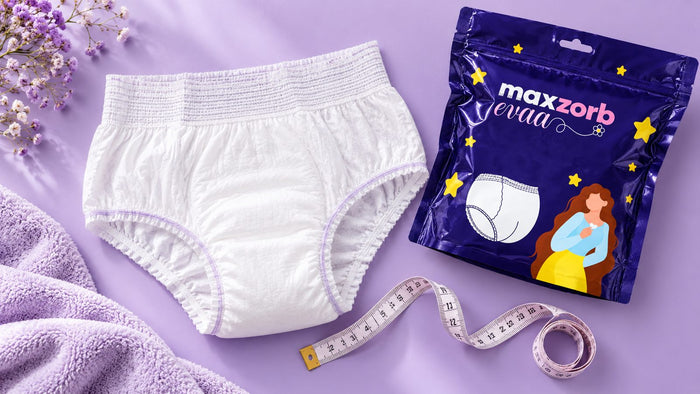
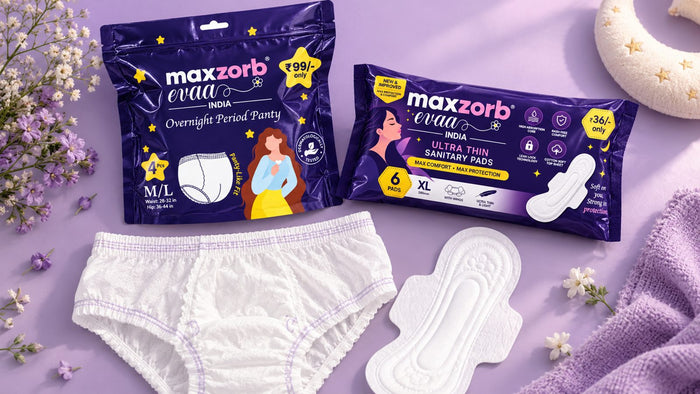
- Choose the right protection for your flow: a thin pad for regular days, an XL pad with wings for heavy days, and a disposable overnight period panty for heavy-flow nights.
- Look for breathable, rash-free materials: a soft, cotton-like top sheet is gentler on skin than rough plastic layers.
- Wash your hands before and after changing.
- Dispose of pads properly: wrap them in paper or the wrapper and put them in a dustbin. Never flush them.
Habits to avoid
- Douching or washing inside the vagina, which disturbs its natural balance
- Scented soaps, sprays and powders on the intimate area
- Tight synthetic underwear and jeans for long hours, especially in summer
- Using one pad for the whole day to "save" pads
Signs you should see a doctor
Some discharge is normal and changes through your cycle. See a gynaecologist if you notice:
- Itching, burning or redness that doesn't go away
- Discharge with a strong or fishy smell, or a change in colour (grey, green or thick white)
- Pain while passing urine or during intercourse
- Very heavy, painful or irregular periods
These can be signs of common, treatable infections, so there's no need to feel embarrassed about getting checked.
Comfortable period care from Maxzorb Evaa
Maxzorb Evaa is Sheril Healthcare's women's intimate hygiene range. Ultra Thin XL Sanitary Pads have a cotton-soft, rash-free top sheet and leak lock technology. The Overnight Period Panty gives 360° protection for heavy nights. Both are dermatologically tested and give up to 12 hours of protection. Shop period care.
This article is for general awareness and is not medical advice. If you have symptoms of an infection, please consult a gynaecologist.